
Hello and welcome to GSGF! In this blog, we discuss the true implications of fast fashion on the environment. Fast fashion has completely altered the way we shop for clothes, allowing for ever changing trends to be extremely accessible from the comfort of our homes and a click of a button. However, this convenient process comes at a great cost to the environment. In this blog, we will be highlighting the grave environmental impacts of fast fashion and offer some easy and sustainable alternatives!
What Are Some Of The Environmental Impacts?
Fast fashion is best known for its constant availability and low prices, making it highly sought after as new clothing is produced every season. However, if you take a look behind the curtain, serious environmental consequences are revealed, hidden by the interactive websites and trendy clothes. Did you know that the fashion industry is one of the leading contributors to global waste? The lifespan of clothing has significantly decreased over the years, as a result of fast fashion. As a result, an estimated 92 tonnes of textile end up discarded in landfills where they take hundreds of years to decompose. Additionally, weirdly enough, much of textile production requires the use of a considerable amount of water. For example, a cotton T-shirt needs about 3,000 liters of water to produce. Even crazier, a single pair of jeans requires over 10,000 liters of water to generate the cotton needed. As these pieces of clothing are dyed in an array of appealing colors, the dying process consequently releases an array of harmful chemicals into the environment and contributes to almost 3% of CO2 emissions. In lieu of that, the fashion industry contributes to about 10% of global CO2 emissions, as a result of the fossil fuels needed for transportation and intensive energy consuming production processes. Finally, microplastics pollution is an underestimated consequence of fast fashion and is the result of incorporating materials known as synthetic fibers, such as nylon and polyester, in the production of textiles. These materials release their poison during the washing and drying process. Nearly 700,000 tiny fibers are released into the ocean during every laundry cycle. These particles travel through our sewage systems and ultimately end up in aquatic environments. Alarmingly, over 14 million tonnes of microplastics have settled on the ocean floor, with research showing that 35% of microplastics in the ocean are due to clothing. These are some of the many environmental impacts of fast fashion, it highlights the significant need for change and adaptation to more sustainable habits.
Here Are Some Sustainable Alternatives?
A Capsule Wardrobe
Create your very own capsule wardrobe with timeless, high-quality pieces that have long life spans. They might be more expensive on the get-go but it pays off in the long run as a result of their sturdiness and longevity. These quality pieces can be mixed and matched which maximizes your wardrobe while reducing the urge to purchase new items frequently.
Thrifting
Shopping second-hand greatly reduces waste and extends the life cycles of various, unique pieces of clothing. Thrift stores also provide affordable options, which allows you to build a wardrobe that is uniquely you without breaking the proverbial bank. Plus, thrift stores are full of hidden gems that add a certain to your wardrobe.
Avoid Certain Retailers
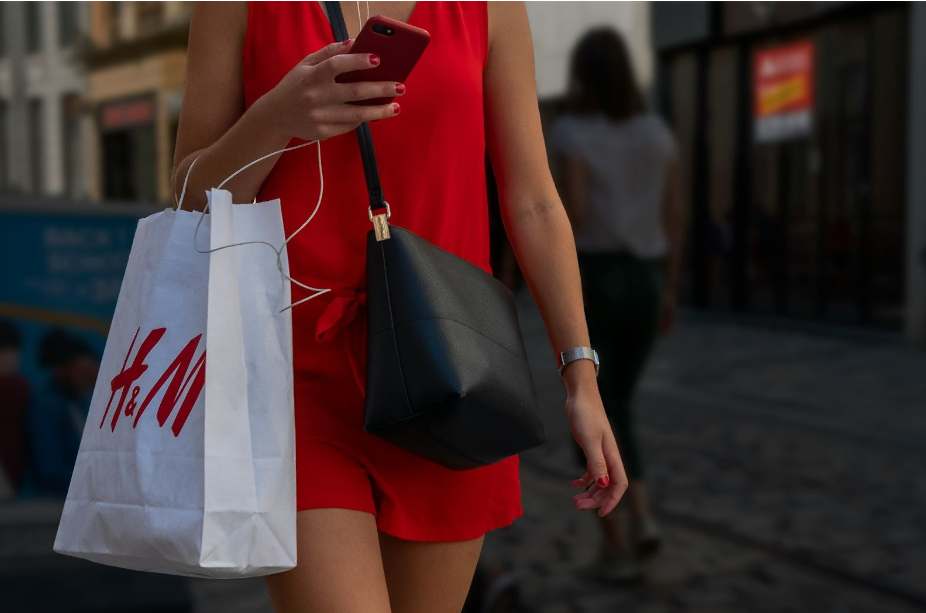
Albeit the most difficult, try your damndest to avoid retailers such as H&M, Cider and the most egregious, SHEIN. Instead, look for brands that prioritize sustainability and ethical practices. Certain companies offer eco-friendly, organic and even recycled clothes that are infinitely better than their fast fashion counterparts.
Join Us In The Fight For Sustainability!
Thank you for reaching the end of this blog! All in all, do your research before purchasing and make thoughtful choices. Consider the above alternatives and make a difference. Here are Green Schools Green Future, we pride ourselves in caring for the environment and finding suitable alternatives to everyday necessities, if there are problems in waste management and overall pollution. To continue this directive, Donate to Green Schools Green Future and us build our first school! Donations are highly appreciated and we are very grateful for a platform where we can share our vision. Subscribe to our monthly Newsletter for more intriguing topics and constructive articles. See you next time!
#GreenSchools#GSGF#GSGFFoundation